
Planning a South African safari often starts with choosing where to go. Along the way, you will encounter two familiar terms: game reserve and national park. Both can offer wildlife viewing and access to natural landscapes, but they do not necessarily offer the same visitor experience.
The main difference lies in how an area is designated and managed. For travellers, this influences practical details: whether you can explore in your own vehicle, how you book accommodation, what your visit includes and how much planning you need to do.
Understanding these differences helps you choose a safari that suits your time, budget and interests.
What is a National Park?
In South Africa, a national park is a formally declared protected area managed by South African National Parks, commonly known as SANParks. These parks conserve natural environments and biodiversity while providing opportunities for tourism, education and recreation.
National parks protect much more than large mammals. Table Mountain National Park, for example, is recognised for its exceptional floral biodiversity and forms part of the Cape Floral Kingdom World Heritage Site. A national park visit might therefore centre on plants, birds, mountains or coastal scenery rather than a traditional game drive.
For travellers, the important lesson is to research the individual park. The words “national park” describe its protected status, rather than promising a particular wildlife experience.
What is a Game Reserve?
A game reserve generally refers to an area managed for wildlife and its habitat. In South Africa, reserves may be privately, publicly or community managed. The name alone does not tell you the area’s exact legal status, ownership arrangement or visitor offering.

South Africa’s formal protected-area categories include national parks, nature reserves and protected environments. A private reserve can also have formal protected status; private ownership and conservation protection are compatible.
Private game reserves often organise visits around guided wildlife viewing and accommodation packages. However, each property operates differently. Before booking, check its wildlife management approach, activities, access rules and package inclusions.
The Main Differences for Visitors
| Consideration | National park | Private game reserve |
|---|---|---|
| Management | Managed by SANParks in South Africa | Managed by a private owner or organisation |
| Wildlife viewing | Self-drive and guided options depend on the park | Often centred on organised guided safaris |
| Booking | Entry, accommodation and activities may require separate arrangements | Packages may combine accommodation, meals and drives |
| Accommodation | Options vary from camping to furnished accommodation and luxury stays | Options depend on the property and package |
| Planning | Visitors may need to organise routes, supplies and daily activities | More of the itinerary may be arranged in advance |
What Makes Inverdoorn’s Private Game Reserve Experience Different?
At Inverdoorn, your visit centres on guided safaris and a lodge stay. The appeal is having a safari itinerary arranged around wildlife viewing, meals and time at the reserve.

Inverdoorn’s overnight packages include three meals and two guided game drives. This gives travellers a clear starting point when planning a short safari from Cape Town.
For couples, solo travellers and first-time safari guests, that structure can make planning more straightforward. You can spend your time observing the landscape and asking questions rather than navigating unfamiliar game-viewing roads.
There is still room to consider your preferences. Compare accommodation categories, confirm package inclusions and decide whether you would like to add a conservation-focused activity.
Guided Safari or Self-Drive: Which Suits You?
A self-drive safari gives you control over your route and pace. You might spend an hour at a waterhole or return to a promising stretch of road later in the day.

A guided safari adds interpretation. Your guide can help identify species, explain behaviour and draw attention to details that are easy to overlook: tracks beside the vehicle, a bird’s alarm call or an animal partly hidden by vegetation.
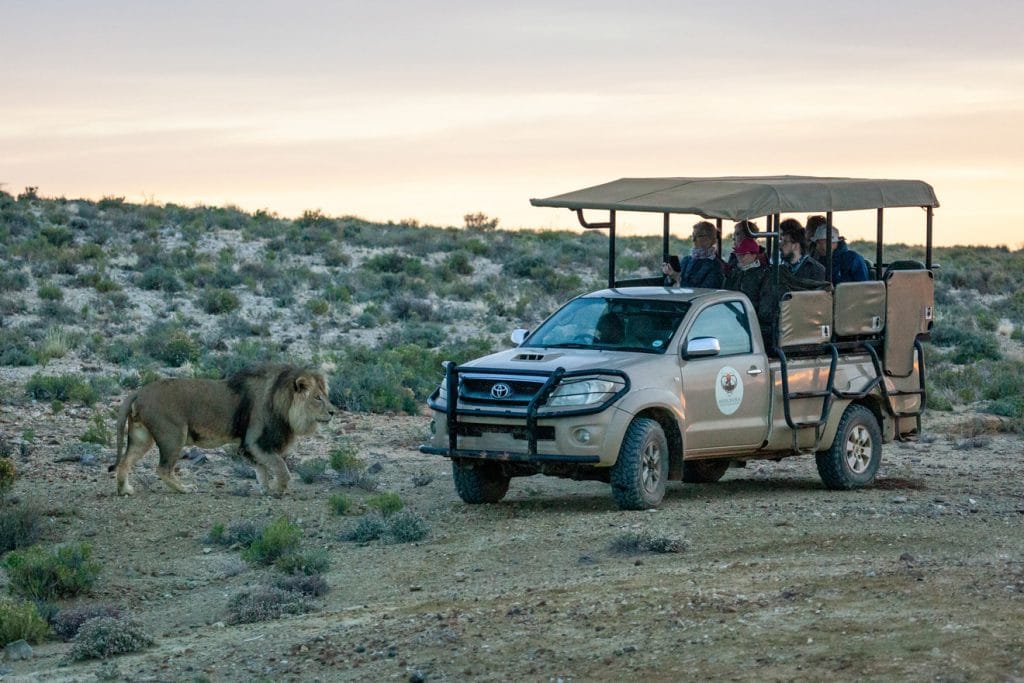
At Inverdoorn, guided game drives are central to the overnight experience. They offer an opportunity to learn about the Karoo environment while looking for wildlife.
Remember that driving yourself to a reserve is different from conducting your own safari. Before booking anywhere, check whether private vehicles may enter wildlife-viewing areas.
What Wildlife Can You See at Inverdoorn?
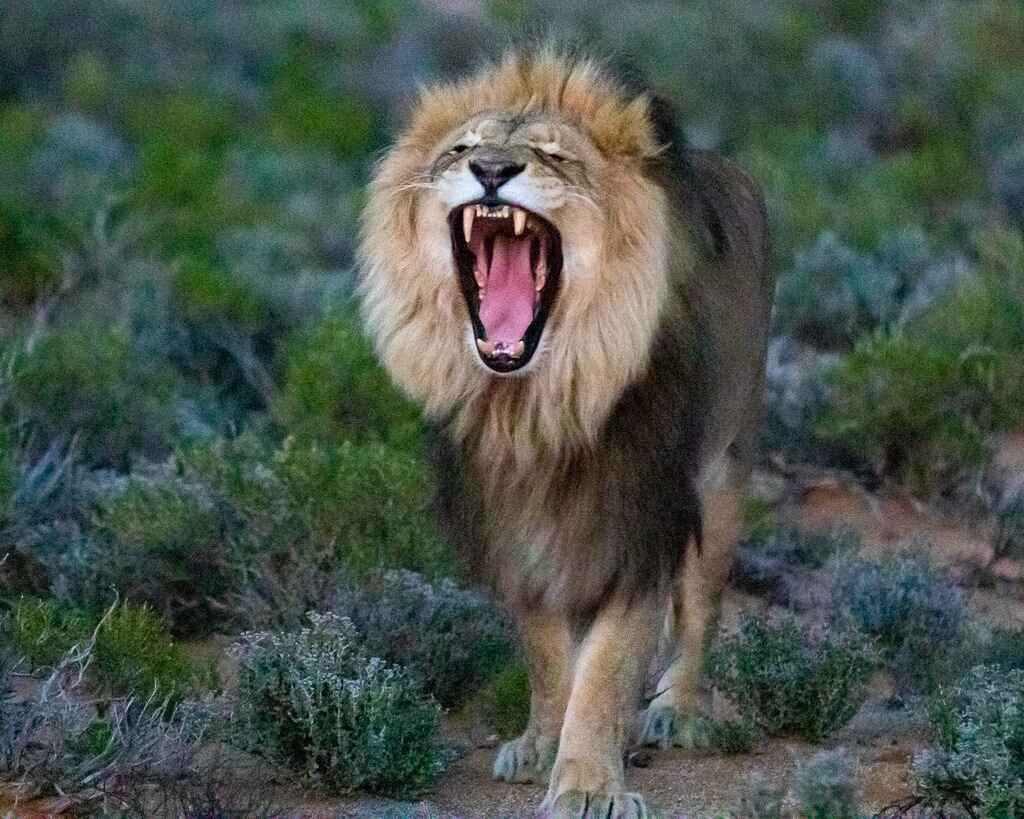
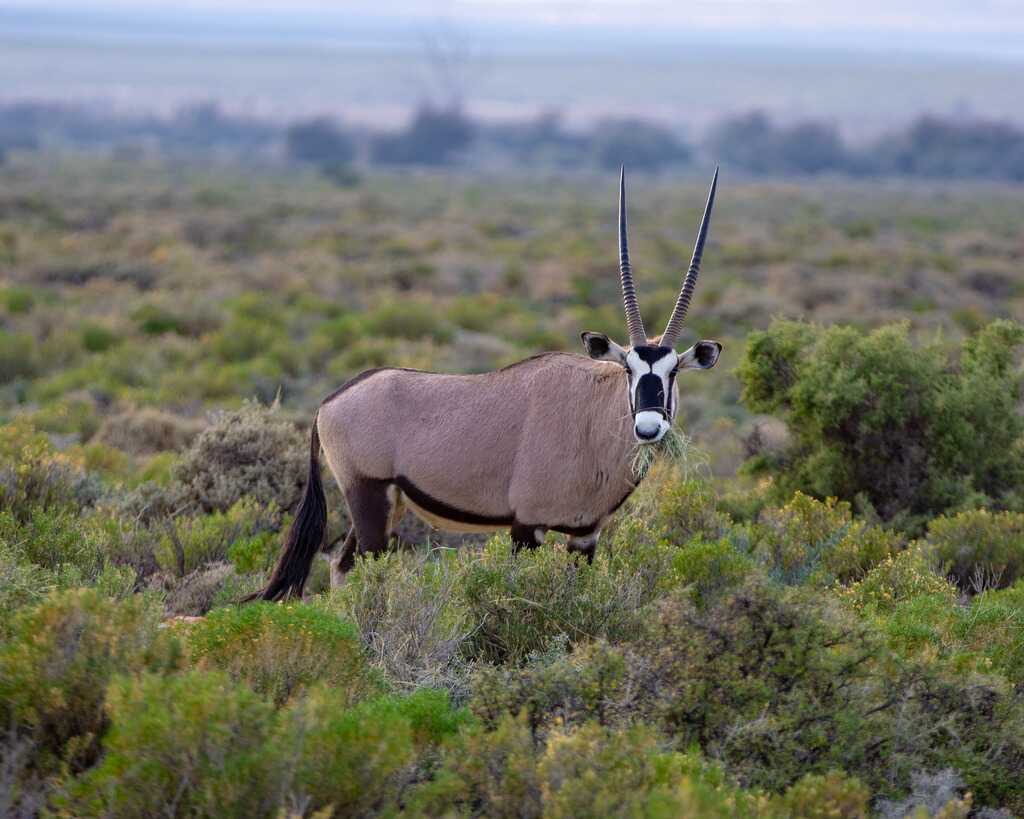
Inverdoorn is a Big Five reserve, home to elephant, lion, rhino, buffalo and the elusive Cape leopard. Other wildlife includes giraffe, zebra and hippo.

However, a species list should help you understand the reserve rather than become a checklist for each drive. Animal movement, weather, vegetation and the time available all influence sightings.
Give yourself time to appreciate encounters beyond the best-known animals. Watching zebra interact or noticing how different species use the landscape can be as informative as spotting a large predator.
How Does Cheetah Conservation Form Part of a Visit?
Cheetah conservation is a distinctive part of Inverdoorn’s identity. The reserve’s programme focuses on rehabilitation and education, with a strict no-touch and no-interaction policy.
Guests can book an optional Cheetah Educational Tour to learn more about the programme. This is separate from the standard safari experience, so confirm its availability and additional cost when arranging your stay. The cheetahs are managed in a separate, secure area where their care and rehabilitation can be monitored.

For travellers interested in conservation, the tour offers further context about the animals and the work taking place behind the visitor experience.
How Should You Compare Safari Costs?
Compare the complete trip rather than accommodation rates alone.
For a national park visit, budget for conservation fees alongside accommodation, fuel, meals and any booked activities. SANParks charges daily conservation fees, which need to be included in your calculations.

For Inverdoorn, review your package inclusions and allow separately for transport, drinks and optional activities where applicable. Return transport options from Cape Town include shared shuttle services and private transfers.
The better-value option depends on your priorities, the arrangements you prefer and the time available.
Planning Your Safari at Inverdoorn
Choose a national park if you enjoy independently organising your route and exploring at your own pace. Consider Inverdoorn if you want a guided Karoo safari with accommodation and meals forming part of your stay.
Explore Inverdoorn’s safari accommodation and overnight itinerary to plan a stay that gives wildlife, learning and time in the Karoo a place in your Cape Town holiday.
Before booking, confirm your travel arrangements, accommodation category, dietary requirements and any additional activities. Safari schedules are confirmed at check-in and can vary with the itinerary.
FAQs: Frequently Asked Questions Game Reserves
What is a game reserve?
A game reserve is an area managed for wildlife and its habitat. Reserves may be privately, publicly or community managed, and their conservation practices, accommodation and visitor activities vary.
What is the difference between a game reserve and a national park?
In South Africa, national parks are formally protected areas managed by SANParks. Game reserves operate under different ownership and management arrangements. For visitors, the differences often involve access, safari activities, accommodation and booking inclusions.
Is Inverdoorn a national park?
No. Inverdoorn is a private game reserve in the Ceres Karoo, approximately 2.5 hours from Cape Town. It offers guided safaris, lodge accommodation and an optional cheetah conservation experience.
Can you drive your own car through Inverdoorn?
You can travel to Inverdoorn in your own vehicle, but wildlife viewing takes place on guided game drives. Driving yourself to the reserve does not include independent access to its safari routes.
Do all game reserves have the Big Five?
No. Wildlife varies according to each reserve’s habitat, location and management. Inverdoorn is a Big Five reserve, home to elephant, lion, rhino, buffalo and leopard, although sightings of individual species are not guaranteed.